Water Damage Restoration in Sydney: 24/7 Emergency Response
- 2-hour emergency response across Sydney metro area
- 24-48 hour mould prevention window protection guaranteed
- Medical-grade pathogen elimination during every water damage restoration
- Health protection first, structural repair second approach
- NSW's most trusted sanitisation specialists, not generalist cleaners
Protect your family from deadly pathogens with sanitisation expertise that other restoration companies ignore.
Water strikes without warning. Burst pipes flood homes at 3 am. Storm surge overwhelms coastal suburbs. The first 24 hours determine everything.
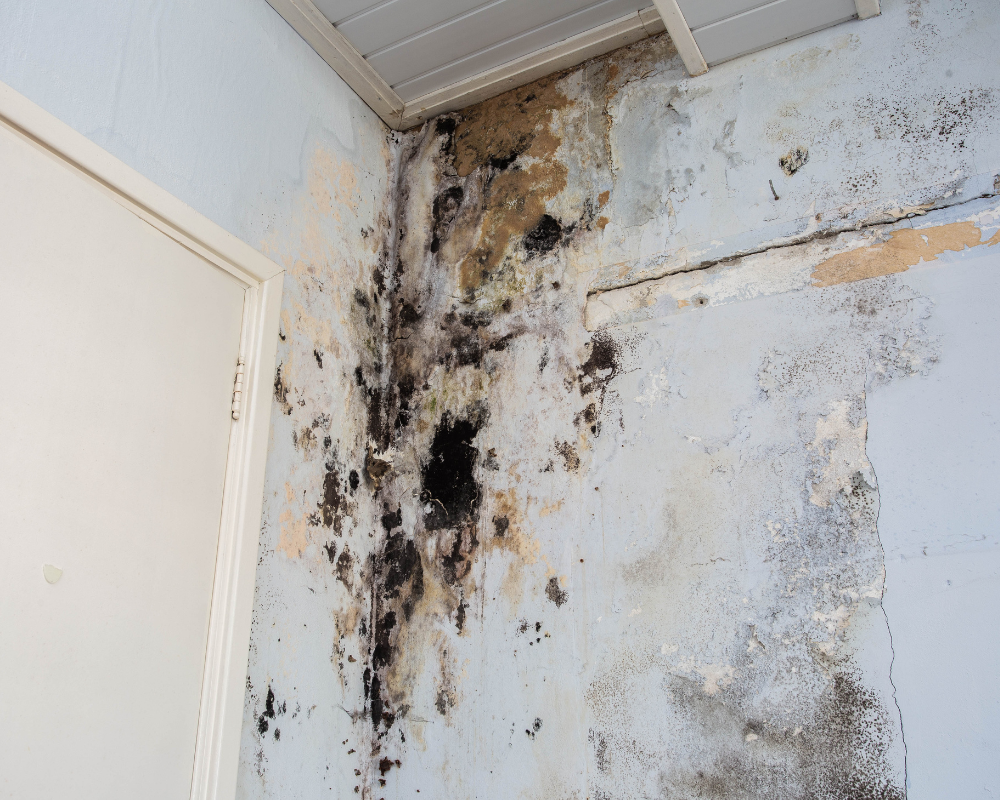
Sydney property owners face a stark reality. The city’s coastal humidity accelerates water damage. Moisture penetrates walls, floors, and furniture. Mould begins growing within 24-48 hours. Professional response teams mobilise immediately to prevent catastrophic loss.
REQUEST A QUOTE
Trusted to restore safety and peace of mind
Posted on Google
 Phil Gale
Trustindex verifies that the original source of the review is Google.
I recently hired mark for mold remediation work at my home, and I couldn't be more satisfied with the service. From the initial consultation to the final inspection, mark was professional, knowledgeable, and extremely reliable. He arrived on time, explained the work clearly, and made sure everything was up to code.Posted on Google Simmeone HanlenCannot recommend Mark highly enough. He was patient, caring and understanding with such a sensitive matter. He and his team did an outstanding job and we were all so thrilled with the results as they exceeded our expectations.Posted on Google
 Charbel ElhageGreat and very reliable team you honestly will not find better and explains in ENGLISH exactly the issues and what needs done to fix it . Thanks to mark and the team job well done 🙏Posted on Google
 Trent ShahMark and the team are incredible at what they do. They are reliable, thorough, and take real pride in their work. You can tell he genuinely cares about providing the best possible service and making sure everything is done properly. If you’re looking for someone you can count on to get the job done right, Mark and On-Guard Sanitisation are the ones to call. Highly recommend!Posted on Google
 Joseph HalavazisI highly recommend the services of On-Guard Sanitisation. They are very reliable, empathetic, fairly priced and show dedication to their clients.Posted on Google
 Andrew GHighly recommend On-Guard's services. I have utilised their services for clients on multiple occasions and have consistently been impressed with their professionalism, quality of work and cost. Thank you guys!Posted on Google
 Susan ConollyOn-guard sanitation provided a service for the retirement village where I work. Mark was prompt, professional, very effective and kind and friendly to boot! I would definitely recommend their help on what is probably your worst day.Posted on Google
 Albert NasrallaMark has carried out lots of odd jobs for me both in the building and biohazard industries. I would not hesitate in hiring Mark again as he is polite, respectful and goes above and beyond every single time. Thank you Mark and On-guard Team!!Posted on Google
 Swati MitraMark and his team were extremely thorough and professional in conducting testing and remediation work. I would highly recommend them for anyone experiencing mould related issues. Mark was also kind enough to provide additional guidance on mitigating future issues.Posted on Google
 MARYANNE dayMark and his team did an excellent job. They were very thorough. I would highly recommend them for any job that needs specialist cleaning.
Understanding Water Damage in Sydney Properties
Water damage manifests in three distinct categories. Each demands specific restoration protocols.
Clean water emerges from supply lines and rainwater. This poses minimal health risks. Grey water contains contaminants from washing machines, dishwashers, and sinks. Black water carries sewage and poses serious health hazards.
Sydney’s subtropical climate compounds every water incident. Humidity levels reach 65-75% year-round. This moisture accelerates structural damage. Wooden floors warp within hours. Drywall deteriorates rapidly. Metal fixtures begin to corrode.
Coastal properties face additional challenges. Salt air increases corrosion rates. Storm surges bring contaminated water. Underground pipes corrode faster near the harbour.
For real estate agents and property managers
For real estate agents and property managers, fast water damage restoration can help minimise downtime, prevent further property deterioration and support quicker tenant turnaround. On-Guard Sanitisation provides professional water extraction, drying and restoration services for rental properties across NSW, helping return homes and commercial spaces to a safe, clean and habitable condition after leaks, storms or flooding.
Our Water Damage Restoration Process: Health Protection First
On-Guard Sanitisation’s water damage restoration process prioritises pathogen elimination at every stage, distinguishing our service from conventional moisture removal approaches. Our systematic methodology addresses both immediate health risks and long-term structural integrity through coordinated sanitisation and extraction protocols.
Each restoration phase incorporates antimicrobial treatments designed to neutralise bacteria, viruses, and fungal spores before they establish colonies in your property. This health-first approach prevents the secondary contamination issues that plague standard water damage cleanup operations.
Our certified restoration technicians follow strict containment procedures that protect unaffected areas while systematically clearing compromised zones. Advanced moisture detection equipment identifies hidden water pockets in wall cavities and subfloor spaces where dangerous bacteria concentrate.
Emergency Response and Pathogen Containment
On-Guard Sanitisation crews arrive within two hours across NSW, immediately establishing containment barriers to prevent pathogen migration throughout your property.
Our emergency water damage restoration teams conduct rapid microbial risk assessments using ATP testing equipment to identify contamination levels.
Occupants receive clear safety protocols and temporary relocation guidance where bacterial contamination exceeds safe exposure thresholds. Primary containment zones prevent cross-contamination during active restoration phases.
Water Extraction and Sanitisation
Industrial extraction pumps remove standing water while antimicrobial solutions neutralise bacteria in real-time during the water damage cleanup process. This simultaneous approach prevents viable pathogens from adhering to surfaces as water levels recede.
Contaminated water undergoes proper disposal according to NSW EPA guidelines, preventing environmental contamination. Our extraction equipment features built-in filtration systems that capture debris and biological contaminants during removal operations.
Medical-Grade Drying and Monitoring
Professional dehumidification systems maintain optimal humidity levels below 50% to prevent secondary mould growth during the restoration timeline. Continuous moisture monitoring using thermal imaging technology identifies residual dampness in concealed structural elements.
Our water restoration services include 24-hour air quality testing throughout the drying phase to ensure pathogen levels remain within safe parameters. Temperature and humidity data logging provides insurance documentation for claims processing.
This systematic approach ensures complete pathogen elimination before structural repairs commence, protecting your family’s long-term health outcomes.
Types of Water Damage We Handle Across NSW

Burst Pipes and Plumbing System Failures
Clean water from supply lines appears harmless but develops dangerous bacterial colonies within hours when trapped in wall cavities or subfloor areas. Our water damage repair protocols address hidden moisture pockets where Legionella and Pseudomonas bacteria thrive in stagnant conditions.
Copper pipe corrosion and joint failures create ongoing contamination risks requiring comprehensive antimicrobial treatment beyond standard drying procedures.

Storm Water and Flash Flooding
External flood water contains agricultural runoff, sewage overflow, and soil-borne pathogens, including Giardia and Cryptosporidium. Our flood damage restoration process treats all storm-affected areas as Category 2 contaminated water requiring intensive biocide application.

Appliance Overflows and Hot Water System Failures
Category 3 Sewage Contamination
Raw sewage backups demand immediate evacuation and hazmat-level sanitisation protocols due to hepatitis, cholera, and antibiotic-resistant bacteria present in waste systems.
Each contamination category requires escalated protective equipment and sanitisation intensity to achieve safe occupancy standards.
Why Choose On-Guard Sanitisation for Water Damage Restoration
On-Guard Sanitisation operates as NSW’s only sanitisation company specialising in water damage restoration, distinguishing our service from general contractors who treat pathogen elimination as an afterthought.
Our medical-grade equipment and hospital-standard protocols address the health risks that traditional restoration companies lack the expertise to manage effectively.
Sanitisation Specialists, Not General Contractors
Conventional water damage repair focuses solely on structural drying while ignoring active bacterial contamination. Our certified sanitisation technicians deploy antimicrobial treatments alongside extraction equipment, ensuring complete pathogen neutralisation throughout the restoration timeline.
Insurance assessors increasingly require detailed contamination documentation following water damage incidents. On-Guard Sanitisation provides comprehensive pathogen testing reports and sanitisation certificates that support your claims while protecting against future health liability issues.
24/7 Emergency Response Across Sydney Metro
Our emergency water damage restoration teams maintain sub-two-hour response times from Penrith to the Eastern Suburbs. Rapid deployment prevents the exponential bacterial multiplication that occurs when restoration delays extend beyond the critical 24-48 hour window.
Medical-grade air scrubbers and HEPA filtration systems remain standard equipment on every callout, not optional upgrades charged separately by traditional contractors.
Your property’s long-term health and safety require expertise that extends beyond moisture removal alone.
Insurance Claims Support for Water Damage
Insurance assessors require comprehensive documentation that extends beyond structural damage assessment to include pathogen contamination risks and health hazard mitigation.
On-Guard Sanitisation provides detailed restoration reports that support your water damage claims while protecting against future liability issues related to inadequate sanitisation.
Our certified technicians document bacterial contamination levels using ATP testing and air quality measurements that insurance companies increasingly demand following water damage incidents. This scientific evidence strengthens your claim position and justifies the necessary sanitisation treatments that general contractors often omit from their quotations.
Direct Insurance Company Coordination
On-Guard Sanitisation maintains established relationships with major insurance providers across NSW, streamlining the approval process for emergency water damage restoration services. Our team communicates directly with loss adjusters to expedite authorisation for time-critical sanitisation treatments within the 24-48 hour window.
Detailed photographic documentation and moisture mapping reports provide insurance assessors with evidence required for comprehensive claim approval. Our sanitisation certificates demonstrate compliance with health safety standards that protect insurers against future contamination-related liability claims.
Professional restoration documentation ensures your claim accurately reflects both structural repairs and essential health protection measures.
Our Service Delivery Process
A fast, simple pathway from first contact to complete remediation:
1.
Identify the issue & gather details
You describe what happened, when it occurred, and provide any photos or videos.
2.
Inspection if required
Mould, flood, or biohazard issues often need on-site moisture testing or contamination checks.
3.
On-site assessment
Moisture readings, testing, and source identification determine the correct remediation method.
4.
Quote & Remediate
Work is completed using specialised processes, with follow-up checks where required.
5.
Final reporting or clearance
Optional independent lab testing verifies the property has returned to safe levels.
Why Choose On-Guard Sanitisation?
FAST EMERGENCY RESPONSE
Emergency teams respond within 2–4 hours in most cities, providing 24/7 trauma cleaning whenever urgent help is needed.
IMMEDIATE HUMAN SUPPORT
A care advisor answers every call, offering guidance and dispatching a local team immediately or arranging a suitable appointment.
COMPASSIONATE SUPPORT
Supportive guidance through difficult situations, offering empathy, clear communication, and help from start to finish.
SKILLED, TRAINED TEAMS
Technicians follow strict safety protocols, including pathogen controls and respiratory protection, meeting all regulatory requirements.
FULLY LICENSED & INSURED
Emergency teams respond within 2–4 hours in most cities, providing 24/7 trauma cleaning whenever urgent help is needed.
SCIENCE-LED REMEDIATION
A proven three-step, science-driven process, verified using ATP testing, ensures hospital-level cleanliness and safety on every job.
PRIVATE & DISCREET
Teams follow your access preferences and use discreet vehicle cover, ensuring complete privacy and professional handling.
SATISFACTION GUARANTEE
All work is completed by trained staff with consistent processes, ensuring safe outcomes backed by a full satisfaction guarantee.
Preventing Long-Term Health Risks After Water Damage
Detecting Incomplete Sanitisation
Musty odours appearing 7-14 days after restoration indicate active microbial colonies in wall cavities or beneath flooring materials. Visual mould growth represents advanced contamination that required intervention weeks earlier during the critical window.
Persistent respiratory symptoms among occupants signal ongoing pathogen exposure from inadequate initial sanitisation. Children and elderly residents typically exhibit symptoms first due to heightened vulnerability to airborne contaminants.
Ongoing Moisture Surveillance
Professional-grade moisture metres detect residual dampness in structural elements that standard equipment misses during initial assessment. Humidity levels exceeding 60% in previously affected areas create ideal conditions for secondary contamination events.
Thermal imaging reveals temperature variations indicating trapped moisture in insulation and framing materials. These concealed wet zones become bacterial reservoirs without targeted antimicrobial treatment.
Regular air quality testing ensures pathogen levels remain within safe parameters months after the initial incident.
Comprehensive post-restoration surveillance prevents minor moisture issues from escalating into major health hazards requiring extensive remediation.
Frequently Asked Questions
How quickly do I need to act after experiencing water damage?
Immediately. Time is the single most critical factor when dealing with water damage. Mould can begin to germinate and grow within 24 to 48 hours of initial moisture exposure. Additionally, structural materials like drywall, timber flooring, and carpets degrade rapidly the longer they stay saturated. Calling our 24/7 emergency line on 1800 664 827 right away minimises secondary damage and drastically reduces restoration costs.
Can my carpets and underlay be saved, or do they need to be replaced?
It depends entirely on the type of water and how long it has been sitting. If the flooding is from Category 1 (clean water) and we extract it within 24 to 48 hours, the carpets can usually be completely dried, sanitised, and saved. However, if the carpet has been contaminated by Category 3 (black water) or has been wet for several days, it presents a severe health risk and must be safely removed and replaced.
How long does the professional drying process typically take?
On average, most structures take between 3 to 5 days to dry completely. However, this timeline varies depending on the types of materials impacted (e.g., concrete takes much longer to dry than drywall) and the severity of the saturation. Our team uses specialized, penetrating moisture meters to track the drying progress and will not remove our equipment until structural dry standards are definitively met.
Will my insurance policy cover the cost of water damage restoration?
In most cases involving sudden and accidental bursts (like a ruptured pipe or appliance failure), home and commercial property insurance will cover professional restoration. We frequently work with major insurance companies and loss adjusters. We provide full documentation, including moisture maps, drying logs, and comprehensive photo evidence, to help ensure your claims process moves as smoothly as possible.
Is it safe to stay in my property while the drying equipment is running?
For minor or localized water damage, staying in the property is usually perfectly fine, though the industrial fans and dehumidifiers can be quite noisy. However, if the damage is widespread, involves sewage (Category 3), or if electricity to the property needs to be isolated for safety, we strongly recommend finding alternative accommodation until the structural drying and sanitisation phase is complete.
How do you ensure that mould won't grow after the water is dried up?
Drying out the visible water is only half the battle. To guarantee mould doesn’t take hold, we apply heavy-duty, TGA-approved antimicrobial and antibacterial sanitisation treatments to all affected surfaces during the extraction and drying phases. By thoroughly killing fungal spores and dropping the relative humidity levels below the threshold where mould can survive, we ensure your environment remains safe and healthy long-term.